Blogs

Creating a Lead Generation Website — Complete Step-by-Step Guide for 2026

Key Takeaways
- A lead generation website is built around a specific conversion goal — not designed to "showcase" everything you do.
- Traffic without conversion architecture is wasted — the page structure matters as much as the traffic source.
- Every lead gen page needs a single primary CTA, social proof above the fold, and a frictionless form or booking mechanism.
- Fast load times directly impact conversion rate — a 1-second delay reduces conversions by up to 7%.
- Tracking must be set up before you drive traffic — you need to know where leads come from to optimize spend.
What Is a Lead Generation Website?
A lead generation website is a site — or a set of pages within a site — designed with a single primary objective: capturing visitor information or driving them to contact you. It differs from a brochure website (which is designed to inform) and an e-commerce site (which is designed to transact). The key architectural difference: every element on a lead gen page is evaluated by whether it helps or hurts the probability that a visitor submits their contact details or calls.
The lead gen mindset
Most business websites are designed to impress. Lead generation websites are designed to convert. These are different design philosophies. Impressive design elements that do not support conversion — complex animations, deep navigation, content that dilutes focus — actively hurt lead gen performance.
Step 1: Define Your Lead and Conversion Goal
Before building anything, define precisely what a "lead" means for your business. Is it a phone call? A form submission? A booked consultation? A demo request? The answer determines the entire conversion architecture. A law firm's lead gen site optimizes for phone calls. A SaaS company's optimizes for demo bookings. A roofing contractor's optimizes for estimate requests. Each has a different optimal form length, CTA copy, and page flow.
Step 2: Above-the-Fold Conversion Architecture
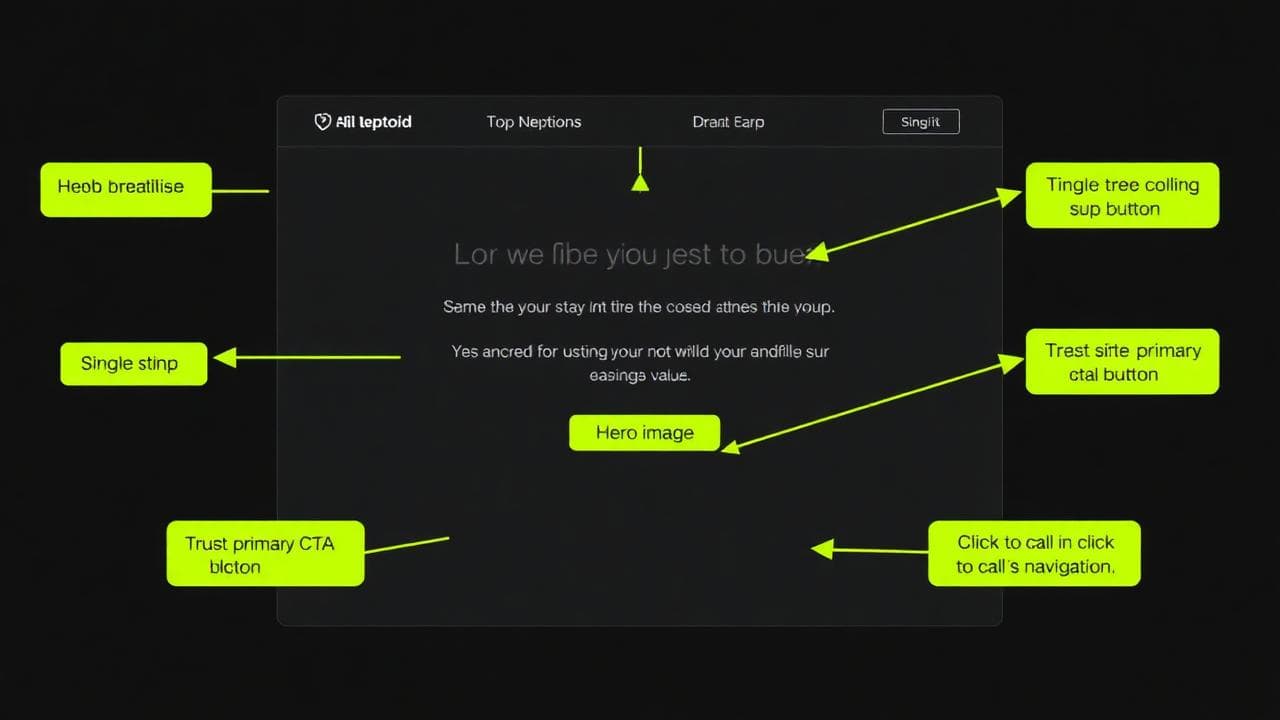
- Headline: your primary value proposition in 10 words or fewer — what you do, for whom, with what outcome.
- Subheadline: expand on the headline's claim or address the visitor's primary objection.
- Primary CTA: one button, one action — "Get a Free Quote," "Book a Consultation," "Request a Demo." Not three options.
- Trust signal: one proof element above the fold — star rating, client count, media logo, or a single powerful testimonial.
- Hero image or video: show the outcome or the person the visitor will work with — not a stock illustration.
Step 3: Social Proof Architecture
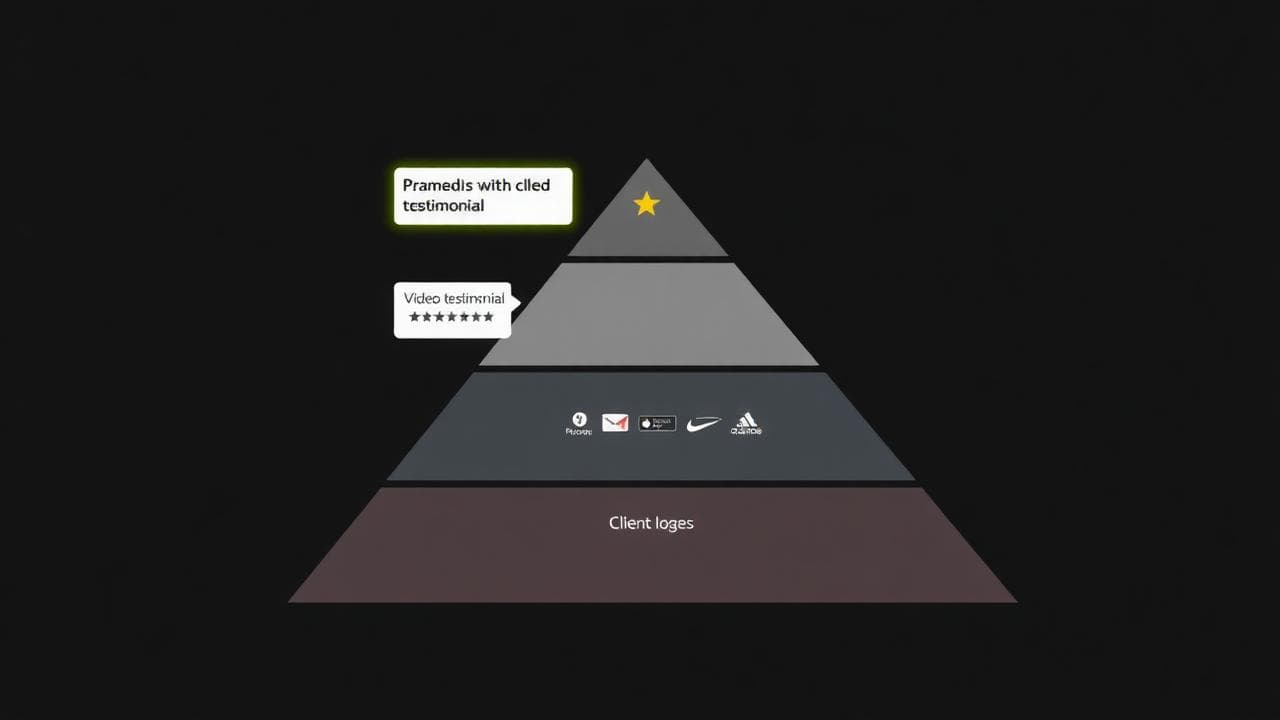
Social proof is the most powerful conversion driver on a lead gen page after the core value proposition. It answers the question every prospect has: "Has this worked for people like me?" The most effective social proof hierarchy: specific outcome testimonials (named client, specific result, relevant context) > video testimonials > aggregate review ratings > client logos > case studies. Generic testimonials ("Great service! Highly recommend!") have minimal conversion impact.
Step 4: Form Design and Lead Capture
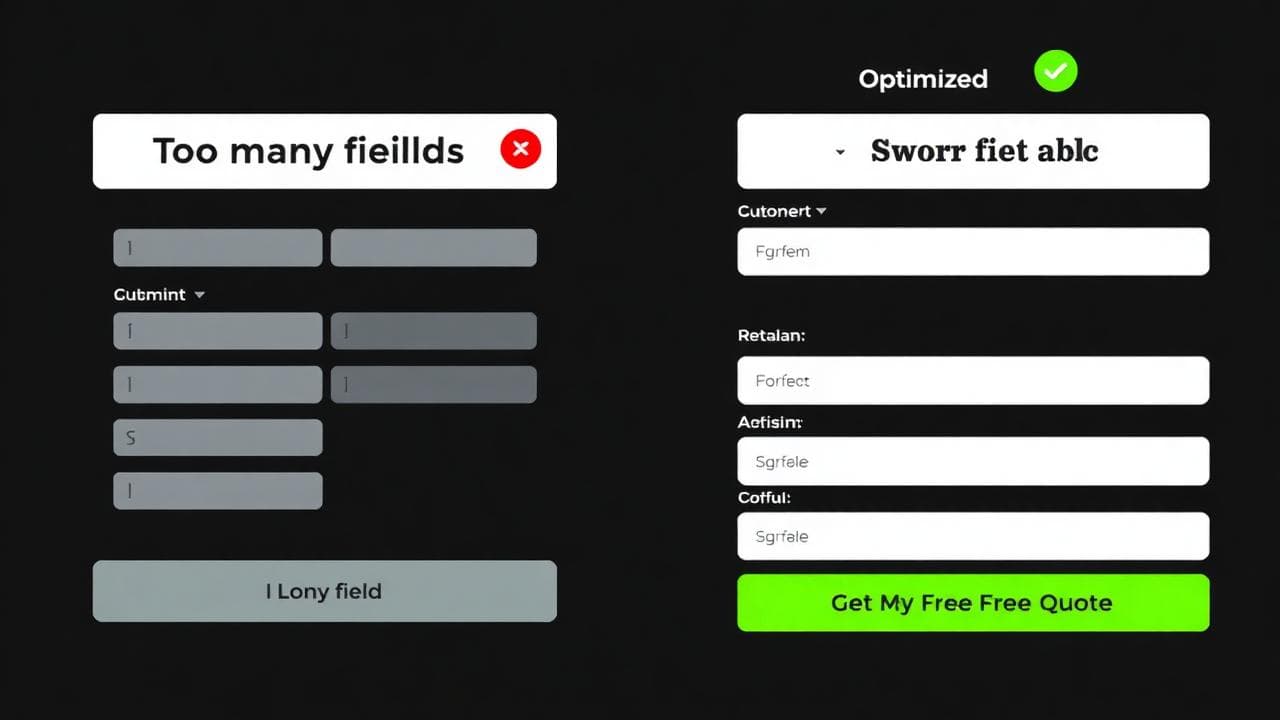
- Form length: ask only for what you need to make the first contact — name, email, phone, and one qualifying question. Every additional field reduces conversion rate by 5–10%.
- Form placement: above the fold (or at least visible on first scroll) for high-intent audiences. At the bottom for audiences that need more persuasion.
- CTA button copy: specific action beats generic — "Get My Free Roofing Estimate" beats "Submit."
- Privacy assurance: a short "We never share your information" line next to the submit button measurably increases conversion.
- Mobile form optimization: large tap targets, auto-fill enabled, phone field using <code>type="tel"</code>.
Step 5: Driving Traffic to Your Lead Gen Website
The best lead gen page structure in the world generates zero leads without traffic. The right traffic source depends on your timeline and budget. Google Ads and Meta Ads deliver immediate paid traffic but require ongoing spend. SEO delivers organic traffic that compounds over time but takes 3–9 months to scale. For most businesses, the right answer is: paid ads to validate the page and generate initial leads while building organic SEO for long-term sustainable lead flow.
Step 6: Technical Performance Requirements
- LCP (Largest Contentful Paint): under 2.5 seconds — directly correlated with conversion rate.
- CLS (Cumulative Layout Shift): under 0.1 — layout jumps during load destroy trust.
- HTTPS: required. An HTTP site loses visitors and Google rankings.
- Mobile rendering: test on real devices, not just browser dev tools.
- Form submission confirmation: a clear thank-you page or message with next steps — do not leave the visitor wondering if their submission worked.
Step 7: Tracking and Analytics Setup
Set up conversion tracking before you drive a single visitor. In Google Analytics 4, configure form submissions and phone click events as conversions. In Google Ads, import these GA4 conversions for campaign optimization. Implement call tracking (CallRail, WhatConverts) with a unique number on the lead gen page to attribute phone leads to the correct traffic source. Without tracking, you cannot tell which traffic source is generating leads and which is wasting budget.
Common Lead Generation Website Mistakes
- Too many CTAs: "Call us, email us, fill this form, follow us on Instagram, check our blog." Pick one primary action.
- Generic value proposition: "Quality service you can trust" is said by every competitor. Be specific.
- No social proof: asking visitors to trust you without evidence is asking too much.
- Slow page speed: every second of load time costs you leads.
- Not mobile-optimized: over 60% of lead gen traffic is mobile in most industries.
- No thank-you page: leaving submitters on the same page with no confirmation is a missed opportunity to set expectations and confirm the next step.
Want help creating a lead generation website?
We design and build conversion-optimized lead generation websites that turn traffic into qualified leads.
Get a free audit
Dream Code Labs
Web Development & Automation Agency · 7+ years experience
Dream Code Labs is a remote-first development and automation agency specialising in custom websites, AI-powered tools, and workflow automation for marketing agencies and growing SMEs across the UK, US, Canada, and Australia. We have delivered 50+ projects that produce measurable, real-world results.
Frequently Asked Questions
What is a lead generation website?
A lead generation website is a site — or specific pages within a site — designed with a single primary goal: capturing visitor contact information or driving them to call. Unlike a brochure site (which informs) or an e-commerce site (which transacts), a lead gen website evaluates every design and content decision by its impact on conversion rate.
How do I create a lead generation website?
Create a lead generation website by: defining your specific conversion goal (call, form, booking), designing a focused above-the-fold section with a clear value proposition and single CTA, adding social proof (testimonials, reviews, case studies), building a friction-minimized form, ensuring fast mobile performance, and setting up conversion tracking before driving traffic.
How many form fields should a lead generation form have?
For most lead generation use cases, 3–5 form fields is the optimal balance between qualification and conversion rate. Name, email, phone, and one qualifying question (project type, timeline, location) is a common high-performing structure. Every field beyond that reduces conversion rate by 5–10%, so only include fields you will actually use for follow-up.
What is the best platform to build a lead generation website on?
The best lead generation website platforms in 2026 are: WordPress with a page builder like Elementor for flexibility and SEO control; Webflow for design quality and clean code; Next.js for maximum performance and conversion rate optimization; and Unbounce or Instapage for pure landing page speed-to-publish. The best platform depends on your team's technical capability, SEO needs, and how often you need to iterate.
How do I drive traffic to my lead generation website?
Drive traffic to your lead gen website through: Google Ads (immediate, paid, high intent), Meta Ads (demographic targeting, good for visual-product businesses), SEO (organic, long-term, compounds over time), Google Local Services Ads (local service businesses), and email marketing to existing lists. For most businesses, starting with paid ads to validate the page while building organic SEO in parallel is the optimal approach.
How long does it take to build a lead generation website?
A focused lead generation landing page can be built in 1–2 weeks. A full lead gen website with multiple service pages, blog, and integrated CRM typically takes 4–8 weeks. The bigger variable is content readiness — businesses with copy, photos, and brand assets prepared go live significantly faster than those building these assets in parallel.
Last updated: 02 Jun 2026