Blogs
Why Every Agency Needs a Custom Client Portal in 2025

Key Takeaways
- A custom client portal for agencies typically reduces client churn by 25–40%
- Generic tools like ClickUp and Notion are often outgrown within 6 months of agency growth
- Portals that show real-time project status dramatically reduce inbound client emails
- A well-scoped custom portal pays for itself within one quarter through team time savings
- Start with project tracking and automated reporting — add features based on real client requests
Who Is This For?
This guide is for agency owners who are tired of clients asking "what's the status?" via email every week, or who have outgrown generic project management tools and want to deliver a truly professional client experience that sets them apart from the competition.
A custom client portal for agencies is one of the highest-leverage investments a growing agency can make — yet it is consistently undervalued until the moment the pain of not having one becomes undeniable. We have built client portals for over a dozen agencies, and the pattern is always the same: they start with a generic tool, outgrow it within six months, then spend more time working around its limitations than actually serving clients. The switch to a custom portal is almost always driven by a breaking point, not a strategic decision. It does not have to be.
The agencies investing in custom client portals in 2025 are not doing it because they enjoy spending money on software. They are doing it because a branded, purpose-built client interface is now a competitive differentiator — one that directly affects client retention, referral rates, and the perceived value of the services being delivered. When a client logs in and sees their live data, their reports, their project milestones, and their invoices all in one clean, branded interface, it fundamentally changes how they perceive the agency behind it.
In this guide we cover why generic tools consistently fail growing agencies, what a well-built custom portal actually includes, the measurable business impact our clients have seen, and how to scope and build one without overcomplicating the process. We will also give you a clear decision framework for knowing when a custom portal is the right investment versus when a well-configured off-the-shelf tool is genuinely sufficient.
Why Generic Client Portal Tools Fail Growing Agencies
Generic project management and client portal tools — including ClickUp, Notion, Basecamp, and even dedicated agency platforms like AgencyAnalytics — are built for the median user. They are designed to serve as many agencies as possible with as few customisations as possible. That design philosophy works brilliantly at the start, when your needs are generic. It breaks down the moment your workflows, your brand, or your client expectations diverge from what the tool was designed for — which, for most growing agencies, happens within 6–12 months of adoption.
The hidden cost of working around generic tools is significant and chronically underestimated. When a tool almost does what you need, your team spends hours per week bridging the gap manually — exporting data from one platform to import it into another, maintaining parallel spreadsheets because the tool cannot aggregate the specific metrics your clients want, or explaining to clients why they need to log into three different places to get a complete picture of their account. In our operational audits, we regularly find agencies spending 15–20 hours per month on workarounds for tools that were supposed to save them time.
The client perception problem is equally serious. When a client uses a portal that looks like ClickUp or Notion — generic, unbranded, cluttered with features irrelevant to their engagement — it subtly undermines the premium positioning of your agency. Clients paying £3,000–£10,000 per month expect a professional, purpose-built experience. The tool you give them to access their account communicates something about how much care you put into every detail of the service. A generic tool communicates a generic agency.
What a Custom Client Portal for Agencies Actually Includes
When we scope a custom client portal, we start by mapping exactly what clients need to access and what they currently email or call to ask about. The answer to those questions defines the feature set. The portals we build typically include real-time project status tracking pulled directly from the agency's project management tool, automated report delivery that populates on a schedule without manual intervention, a secure file sharing area for deliverables and assets, a direct messaging thread with the account team, and a billing history section showing current and past invoices.
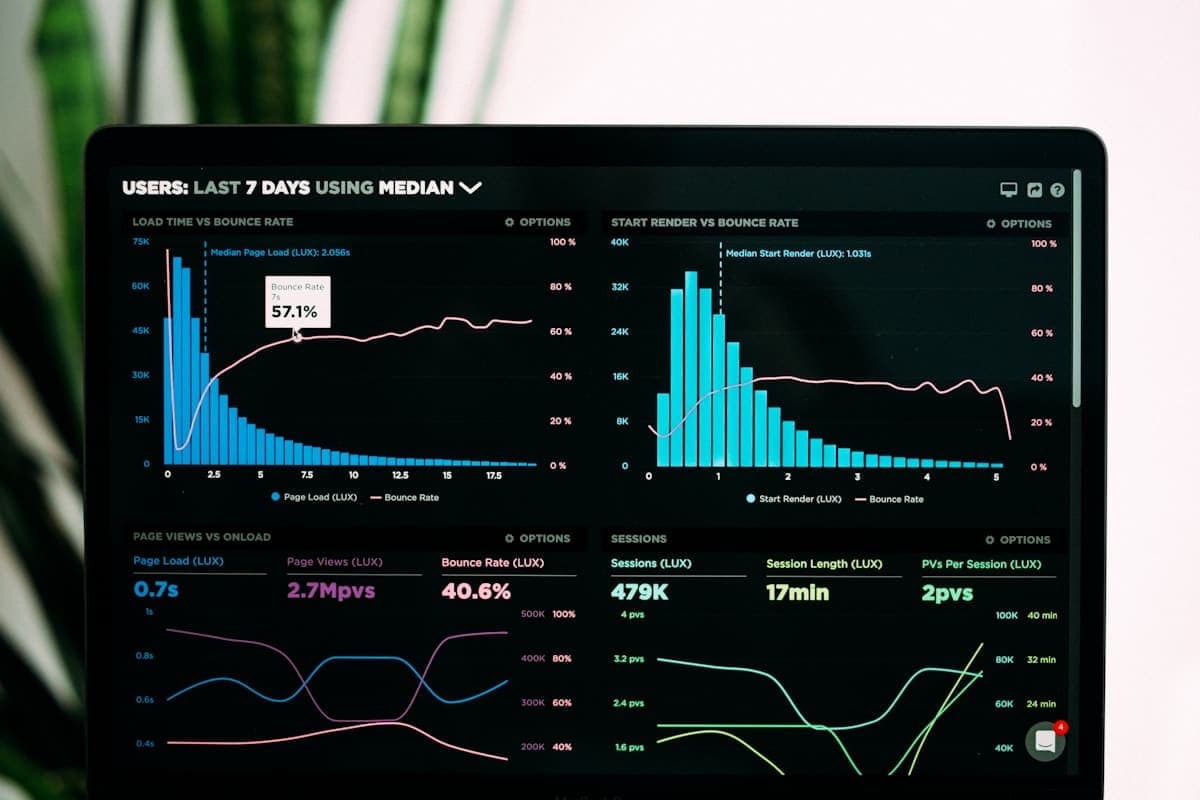
Beyond those core features, the most impactful element of a well-built custom portal is live dashboard data. Rather than sending monthly PDF reports, the portal displays live or near-live metrics pulled via API from Google Analytics 4, Google Ads, Facebook Ads, or whatever platforms are relevant to the client's service scope. The client can log in at any time and see current performance against targets. This eliminates the most common source of inbound client emails — "can you send me an update on how things are going?" — entirely.
The technical architecture of a well-built portal is straightforward: a React or Next.js front end with a secure authentication layer (Auth.js or Clerk), a lightweight Node.js or Python backend to handle API integrations and data aggregation, and a PostgreSQL database to cache metrics and store communication history. Build time is typically 6–10 weeks for a fully featured initial version. The scope can be reduced significantly if you launch with a single core feature — project status and reporting — and add further capabilities based on actual client usage and feedback.
Ready to Build a Custom Client Portal for Your Agency?
We have built bespoke client portals for agencies across the UK. Book a free 30-minute scoping call and we will outline exactly what your portal should include — and what it will cost.
Book a Free Scoping CallThe Business Impact: What Our Agency Clients Achieved
One of our agency partners — a 15-person digital marketing agency in London — launched a custom client portal following two consecutive client departures that were directly attributed to "not knowing what was happening with their account." After launching the portal, client churn dropped 35% within the following six months. Critically, the agency had not changed any of its service delivery processes. The improvement in retention came entirely from clients having transparent, real-time visibility into the work being done on their behalf.
The internal time savings were equally significant. Within the first 30 days of the portal going live, inbound client emails requesting updates dropped by 60%. The account management team recovered approximately 12 hours per week previously spent on status calls and update emails. Those hours were reinvested into proactive account work — identifying new opportunities, preparing strategic recommendations, and building the kind of client relationships that generate referrals. The portal did not just save time; it changed how the account managers spent their time.
The revenue impact compounds over time. Clients who feel informed and in control of their engagement stay longer. According to HubSpot's 2024 State of Marketing Report, businesses that improve client communication and transparency see a 20–30% increase in contract renewal rates. For an agency with an average client value of £4,000 per month and a 12-month average contract, a 25% improvement in retention directly translates to six-figure annual revenue protection. The portal investment, typically £8,000–£20,000 to build, becomes commercially obvious within a single quarter.
Build vs Buy: Making the Right Decision for Your Agency
Off-the-shelf portal tools are the right choice when your needs are genuinely generic, your clients have no strong opinions about the experience, and your team is not yet spending significant time working around the tool's limitations. If you are under 20 clients and your current tool is working without friction, there is no reason to build yet. The right time to build is when you can articulate specific things you wish the tool did differently — not vaguely, but precisely — and when your team is spending more than 10 hours per month on workarounds.
The cost comparison is more straightforward than it appears. Most agencies paying for dedicated portal software spend £200–£800 per month in SaaS fees. A custom portal built for £12,000–£18,000 costs the equivalent of 18–90 months of those fees, after which the ongoing cost is purely hosting and maintenance — typically £100–£200 per month. Beyond the raw financial comparison, a custom portal becomes a proprietary asset. It reflects your brand, fits your workflow, and cannot be taken away by a vendor discontinuing the product or repricing the subscription.
The agencies that have benefited most from custom portals are those that treated the build as a strategic decision rather than a reactive one. They defined what they wanted clients to experience before writing a line of code, launched with a focused initial feature set rather than attempting to build everything at once, and iterated based on real client usage data. That approach keeps build costs controlled and ensures the portal actually solves the problems that matter most to the clients using it.
How to Scope and Launch a Custom Agency Client Portal
The most common mistake agencies make when building a custom portal is over-scoping the initial version. Every feature you add to the first release increases build time, build cost, and the risk that you build something clients do not actually want. The right approach is to launch fast with the two or three features that solve the most acute pain points — typically project status visibility and automated reporting — and treat everything else as a phased addition driven by client feedback.
Before engaging a development team, do the following: survey your five longest-standing clients and ask them what they wish they could see or access without emailing you. List every type of update email your account managers send and identify which of those could be displayed in a portal instead. Identify the platforms your current reports pull from and confirm API access is available. This pre-scoping work typically takes 3–4 hours and reduces the risk of building features nobody uses.
For agencies ready to explore a custom portal build, our web development services page outlines the technical approaches we use and the typical project timelines. You can also review examples of portals we have built for other agencies to understand the range of scope and complexity involved. If you want to discuss your specific situation, get in touch directly and we will tell you honestly whether a custom portal makes sense for where your agency is right now.

Dream Code Labs
Web Development & Automation Agency · 7+ years experience
Dream Code Labs is a remote-first development and automation agency specialising in custom websites, AI-powered tools, and workflow automation for marketing agencies and growing SMEs across the UK, US, Canada, and Australia. We have delivered 50+ projects that produce measurable, real-world results.
Frequently Asked Questions
How much does a custom agency client portal cost to build?
A well-scoped custom client portal typically costs between £8,000 and £20,000 to build depending on the feature set and integrations required. Ongoing hosting and maintenance costs are usually £100–£200 per month. Most agencies recoup the investment within one to two quarters through team time savings and improved client retention.
What features should a custom agency client portal include?
The core features are real-time project status tracking, automated report delivery, secure file sharing, client-team messaging, and invoice history. The most impactful addition is live dashboard data pulled from the agency's active marketing platforms — Google Analytics, Google Ads, or Facebook Ads — so clients can see performance at any time without asking.
How long does it take to build a custom agency client portal?
A focused initial version with two to three core features typically takes 6–8 weeks to build and test. A fully featured portal with live API integrations, custom dashboards, and messaging functionality takes 8–12 weeks. The timeline is largely determined by the number and complexity of third-party API integrations required.
Can I use off-the-shelf tools like ClickUp or Notion as a client portal?
Yes, and for many agencies starting out, that is the right choice. Off-the-shelf tools work well when your needs are generic and your team is not spending significant time working around limitations. The trigger to move to a custom portal is when you can name specific things you wish the tool did differently and your team is losing more than 10 hours per month to workarounds.
How does a custom client portal reduce agency client churn?
Client churn most often results from clients feeling uninformed about the work being done on their behalf. A portal that provides real-time project visibility and live performance data eliminates the root cause of that concern. Agencies that have launched custom portals consistently report 25–40% reductions in churn within the first two quarters — without changing their underlying service delivery.
Last updated: 20 Apr 2025